
A D23 appearance aimed at reach, not a reset
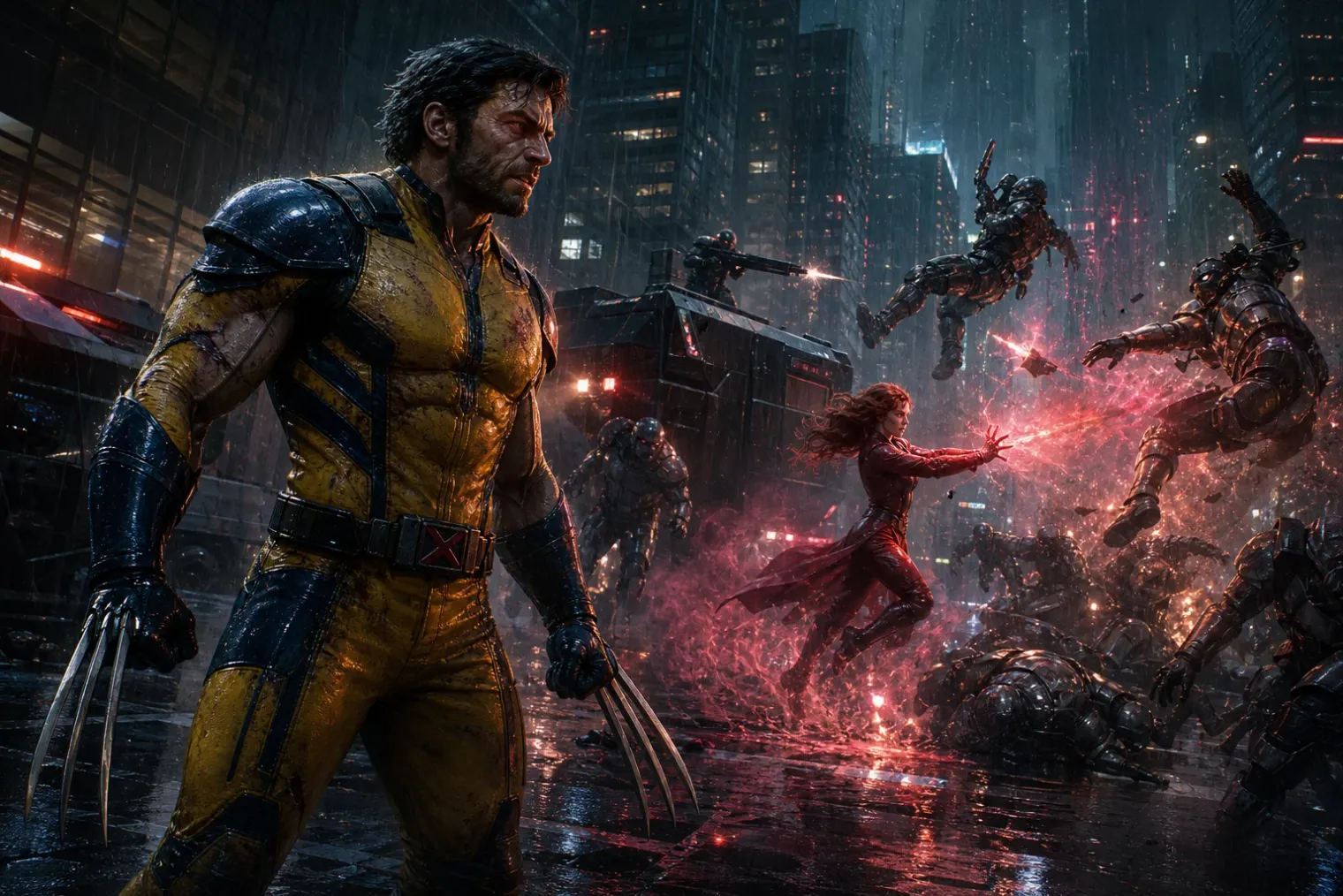
Marvel’s Wolverine has received a new showcase trailer at D23, placing Insomniac Games’ PlayStation 5 action-adventure in front of the wider Disney fan community one month before its scheduled release. The footage reiterates the game’s central conflict: Logan, Jean Grey and Team X are drawn into a fight against Bolivar Trask and hostile forces pursuing mutants.
That framing matters because D23 is not primarily a games-only event. A trailer there can reach viewers familiar with Wolverine through comics, films and animation, rather than only the PlayStation audience that has followed the game through State of Play presentations. The showcase therefore functions as a broad final reminder that the project is an original interpretation of the character within Marvel Games and PlayStation’s partnership, not an adaptation of a recent screen story.
It also arrives after a relatively sustained marketing campaign. PlayStation first fixed the game’s release window in late 2025, before confirming a September 15, 2026 launch date in February. A substantial gameplay presentation in June then established the basic structure of the experience, while July’s San Diego Comic-Con story trailer expanded the picture of Logan’s enemies and allies. Seen in that context, the D23 trailer is less a new reveal than a concise piece of late-stage positioning.
The established conflict is doing the heavy lifting
The available material presents a world in which mutants are hunted and forced into hiding. Logan’s investigation leads him to the Reavers, a cybernetic mercenary group working for Bolivar Trask, while Jean Grey is depicted as both a powerful combatant and a key figure among the threatened mutants. Team X, a mutant task force Logan left three years earlier, gives the narrative an organisational centre beyond a lone-wolf revenge story.
That is a useful direction for a Wolverine game. Logan works naturally as an isolated, abrasive protagonist, but the Team X premise creates room for relationships that can challenge that isolation. It also gives Insomniac a way to put the character’s violence in a wider moral setting: the immediate action may be about cutting through armed pursuers, while the larger story concerns survival, prejudice and responsibility within a vulnerable community.
Previous official material has already pointed to a deliberately intense tone. PlayStation describes the game as a violent single-player adventure, and its trailers have leaned into close-quarters claw combat, bloodshed and the physical cost of Wolverine’s healing abilities. The D23 footage continues to foreground conflict between familiar Marvel figures and Trask’s anti-mutant campaign, rather than attempting to explain Logan’s entire comic-book history.
That restraint may be important. Wolverine’s background has accumulated decades of competing stories across media. The game can acknowledge the character’s history without becoming a catalogue of it. By focusing on a present-tense threat to mutants and Logan’s strained ties to Team X, the campaign has a clearer route into the story for players who know the character mainly from film as well as for long-time comics readers.
Combat has a distinct identity to establish
Insomniac’s biggest design challenge is not simply making Wolverine powerful. It is making him feel different from the studio’s Spider-Man games. The June gameplay reveal offered a more direct answer: Logan can stalk opponents, attack from above, parry, use named combat Techniques and build Rage through successful attacks and kills. That resource can strengthen him or trigger his Healing Factor; a Last Stand mechanic can revive him from severe damage.
These systems suggest a combat loop built around controlled aggression. Wolverine should be able to absorb punishment that would end a conventional hero, but the emphasis on Rage management and parries indicates that resilience is not intended to remove risk. The game’s vehicle-convoy sequence, including motorcycle pursuit and fights across moving trucks, also points to a design that alternates close-quarters brutality with larger set pieces.
This is where the D23 trailer has practical value even if it does not offer a major mechanical announcement. It keeps the core promise visible: this is a Wolverine game whose identity rests on speed, claws, recovery and ferocity, rather than a generic superhero action title with a familiar character model. The repeated focus on Jean Grey and Team X additionally signals that supporting characters may shape combat situations as well as the narrative.
A crowded final stretch before release
The campaign has progressively added villains and context. July’s story-focused presentation introduced The Hand as an enemy faction and identified Deathstrike as a major adversary. It also confirmed Liam McIntyre as Logan and Krizia Bajos as Jean Grey, and named David Fleming as the game’s composer. A digital prequel comic, written by Insomniac narrative director Walt Williams, has been positioned as additional background for Logan’s relationship with Team X.
For consumers, the clearest practical details remain unchanged. Marvel’s Wolverine is scheduled for PlayStation 5 on September 15, 2026. The standard edition is priced at $69.99 in the United States, while a Digital Deluxe Edition includes cosmetic suits, cosmetic claws and extra Technique Points. PlayStation has also said the game will launch with accessibility options intended to support cognitive, visual, auditory and motor needs.
The D23 trailer does not need to carry the whole burden of explaining those details. Its role is to refresh the game’s emotional stakes at an event built around Disney’s franchises, connecting Wolverine’s personal intensity to the larger mutant ensemble around him. With release so close, the key question is no longer whether Insomniac can show an attractive version of Logan. It is whether the finished game can balance visceral action with the character drama that the trailers increasingly promise.
What the trailer signals
The trailer’s most notable message is one of confidence in a settled vision. Marvel’s Wolverine now has a confirmed date, an outlined antagonist structure, demonstrated gameplay systems and a clearer supporting cast. Rather than radically changing the pitch, the D23 showcase consolidates it for a broader audience.
That is a sensible final approach. Wolverine is one of Marvel’s most recognisable heroes, but his appeal depends on more than his claws. The strongest material shown so far treats Logan as a damaged, reluctant protector caught in a conflict bigger than himself. If the complete game maintains that balance, the D23 appearance will have served as an effective last-stage introduction rather than merely another trailer in a long promotional cycle.
Sources
- Marvel’s Wolverine trailer z D23 eventu — Sector.sk
- Marvel’s Wolverine: new gameplay, story details from State of Play — PlayStation Blog
- Marvel’s Wolverine: Story Trailer, new art, composer details, and more — PlayStation Blog
- Marvel’s Wolverine arrives on PlayStation 5 Fall 2026 — PlayStation Blog


