
A formal confirmation, not a full reveal
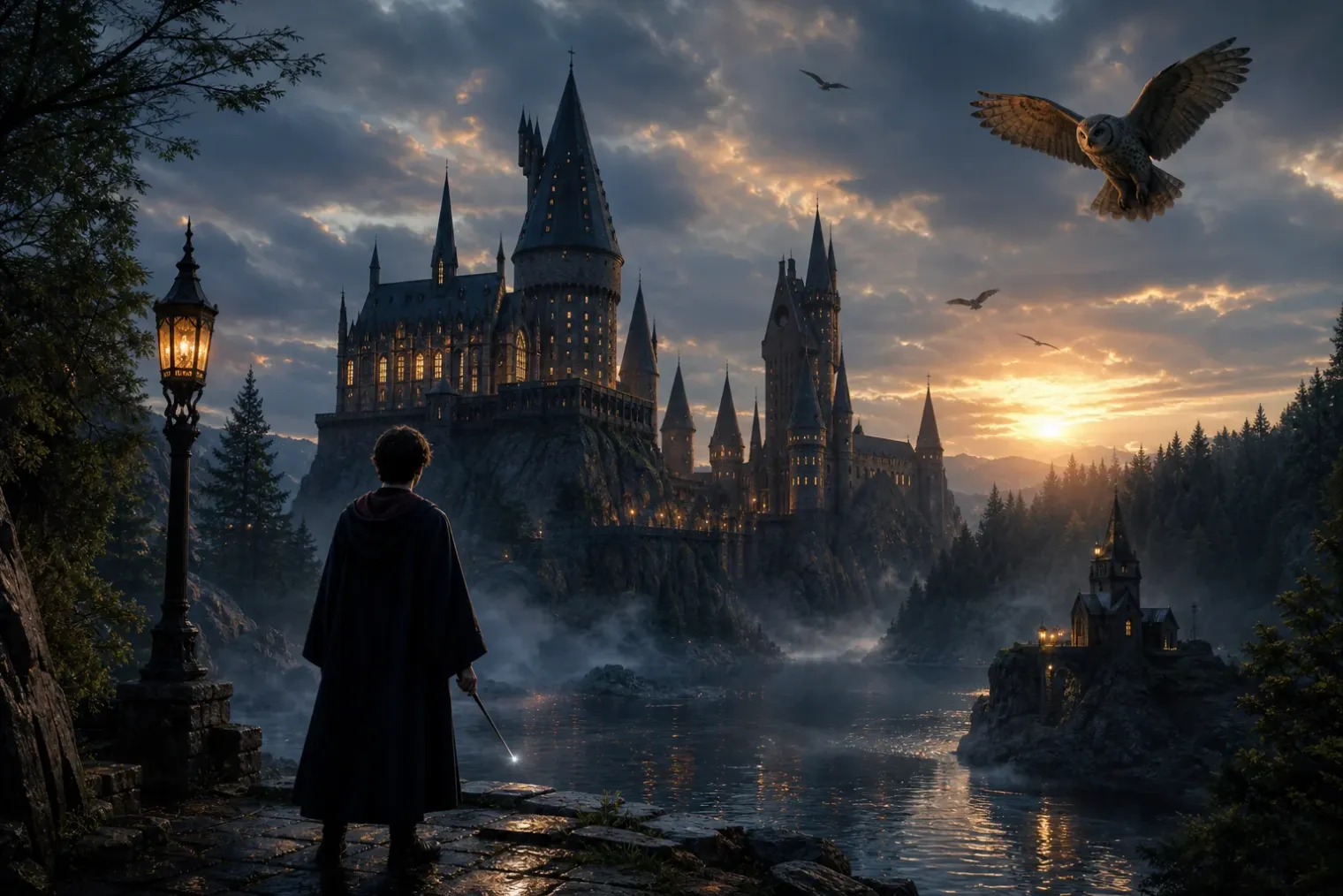
Warner Bros. Discovery has provided its clearest official confirmation yet that a follow-up to Hogwarts Legacy is in development. In its second-quarter 2026 shareholder letter, published on August 6, the company said its games pipeline includes “the second installment of Hogwarts Legacy”.
That wording matters because it appears in a company investor document rather than in reporting based on executive comments or unnamed sources. It confirms the existence of a sequel, but it does not confirm that the game’s final title will be Hogwarts Legacy 2. Nor does it supply a release date, platforms, trailer, setting, story premise, gameplay details or a formal development-studio announcement.
The disclosure therefore marks a change in the certainty surrounding the project, rather than the start of a conventional marketing campaign. Warner Bros. Discovery has acknowledged the sequel as a commercial product in its planned portfolio, but has not yet told players what the next game will actually be.
Why the sequel was expected
A continuation was commercially likely long before this shareholder letter. Hogwarts Legacy was published by Warner Bros. Games under the Portkey Games label and developed by Avalanche Software. The open-world action role-playing game placed its story in the Wizarding World during the 1800s, well before the events of the Harry Potter novels.
The original game became a major success for Warner Bros. Games. In December 2025, the publisher said that it had sold more than 40 million units worldwide and described it as the biggest video-game launch in the company’s history. That scale makes a sequel a logical priority for a publisher seeking dependable franchises in an industry where new intellectual property can be expensive and unpredictable.
Warner Bros. executives had previously indicated that a successor was important. In September 2024, chief financial officer Gunnar Wiedenfels described a follow-up as one of the company’s biggest priorities over the coming years. Two months later, Warner Bros. Games president David Haddad said the company was working on a sequel and was coordinating some broad storytelling considerations with the planned Harry Potter television series.
The latest statement is more restrained than those earlier remarks in one respect: it reveals no creative ambitions. It instead places the sequel inside a financial strategy built around a smaller number of high-conviction games based on four franchises that Warner Bros. Discovery values at more than $1 billion each.
A narrower games strategy
The shareholder letter presents games as a prospective contributor to the wider Studios business, alongside film, television, consumer products and experiences. Warner Bros. Discovery said that it expects the division to make a more meaningful contribution to segment profitability as its pipeline expands.
This is an important context for the Hogwarts Legacy sequel. The company is not presenting the game as an isolated creative project; it is treating it as one element of a portfolio intended to convert well-known entertainment brands into repeatable revenue.
That approach can bring advantages. A sequel can build on an established audience, an existing fantasy world and lessons learned from the first game’s design and technical performance. It can also benefit from the international recognition of the Harry Potter and Wizarding World brands.
However, the strategy increases the pressure on the sequel to demonstrate a clear improvement. The first game’s appeal rested heavily on giving players a detailed Hogwarts environment to explore and allowing them to create their own student character. A new installment will need to preserve that sense of place while offering a reason to return beyond a larger map or improved visuals.
Warner Bros. Discovery has not said whether Avalanche Software will lead development again. The studio led work on the original game, but no official project credits have been announced for the sequel. It is also unknown whether the game will directly continue the first story, move to a different era, or introduce a separate cast and school-year setting.
Relationship with the television series remains unclear
The prospect of coordination with the upcoming Harry Potter television series has invited speculation about a closer connection between the two projects. The confirmed facts remain limited. Warner Bros. has previously said that teams were aligning certain high-level storytelling elements, but that does not establish a shared plot, shared characters, a direct adaptation or a release window designed around the series.
There is also a fundamental creative distinction to consider. Hogwarts Legacy told an original story set roughly a century before Harry Potter’s time at Hogwarts. The television production is expected to revisit the core Harry Potter story. Broad coordination could simply mean maintaining consistency in how the Wizarding World is presented across Warner Bros. projects, rather than merging their narratives.
Until the publisher provides more detail, it would be premature to infer multiplayer modes, a particular time period, specific locations, or links to the television cast. None of those features appears in the August 6 shareholder letter.
What has and has not been confirmed
The present position is straightforward:
- Warner Bros. Discovery has officially confirmed a second installment of Hogwarts Legacy.
- The sequel is part of a games strategy focused on fewer major franchise releases.
- The original game has exceeded 40 million units sold worldwide, according to Warner Bros. Games.
- No official release date, platforms, final title, developer credit, gameplay footage or story details have been announced.
For players, the confirmation ends uncertainty about whether Warner Bros. intends to continue the series. It does not yet answer the more consequential questions about how the sequel will expand on the original. Those answers will likely arrive only when Warner Bros. Games moves from investor disclosure to a public game announcement.
For Warner Bros. Discovery, meanwhile, the sequel has become a visible test of its franchise-led games strategy. Its commercial foundation is unusually strong; the creative challenge will be to make a second visit to Hogwarts feel essential rather than merely inevitable.
Sources
- Q2 2026 Shareholder Letter — Warner Bros. Discovery
- Warner Bros. Games announces Hogwarts Legacy has surpassed 40 million units sold — Warner Bros. Games
- Hogwarts Legacy Frequently Asked Questions — Hogwarts Legacy
- How Warner Bros. Plans to Keep the Harry Potter Franchise Expanding — Variety


