
An anticipated feature, not yet a confirmed launch
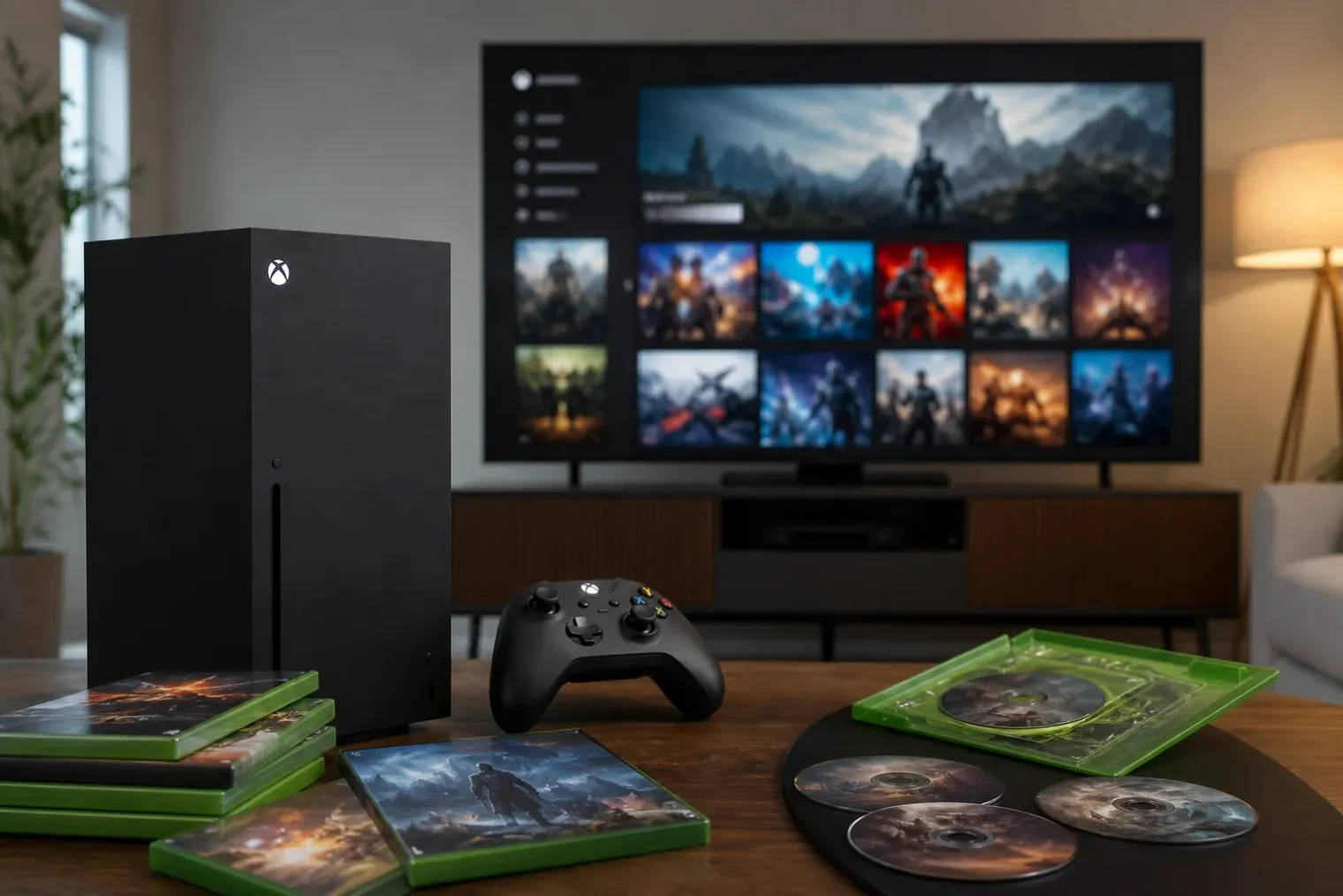
Xbox owners have good reason to watch for a reported Disc to Digital programme in August. The proposed system would let users of compatible Xbox One and Xbox Series X game discs obtain a digital entitlement through their Microsoft account. In principle, that could make a disc-bought title available in the same ways as a digital purchase, including downloads and, where a title supports them, Xbox Cloud Gaming and Xbox Play Anywhere.
However, the timing needs a clear qualification. Reporting during July described internal testing rather than a public release, while the newer claim that the service will arrive this month has not been matched by a public announcement from Microsoft or Xbox. Until Microsoft publishes eligibility rules, regional availability and a start date, an August rollout should be treated as reported rather than confirmed.
That distinction matters because the proposal is more complicated than a conventional disc upgrade. It would not simply turn every physical copy into a separate, permanent digital purchase that can be retained while the disc is sold on.
How the reported system would work
Accounts of the feature describe a process in which a player signs in on an Xbox console, inserts an eligible disc, installs the game and launches it. The system would then associate a digital entitlement with the disc and the active Microsoft account.
The important safeguard is the reported link between the entitlement and the individual physical disc. If the game is later sold, lent or used with another account, the entitlement is expected to move with that disc. In effect, Microsoft would be attempting to preserve the resale and lending function of physical media while enabling access across a digital account ecosystem.
This approach could avoid an obvious loophole: without a continuing connection to the disc, a single used game could potentially create unlimited digital licences as it changed hands. A transferable entitlement instead treats the disc as a portable proof of ownership. It remains unclear how visibly the transfer would be presented to users, whether it would take effect immediately, or what would happen if a disc were damaged after it had been registered.
Those operational details will shape the programme’s reception. A service that is simple to understand and makes transfers predictable could be useful to players and retailers. A process that unexpectedly removes access, requires frequent verification or creates customer-support disputes could reinforce concerns about digital rights management.
Compatibility may be the largest limitation
The reported scope is limited to Xbox One and Xbox Series X discs. Original Xbox and Xbox 360 titles are not expected to qualify, even when those games are playable through Xbox backward compatibility.
That boundary is significant. Many longstanding Xbox collectors hold older discs, and backward compatibility has been one of the platform’s strongest arguments for preserving a library across hardware generations. A newer disc-to-digital scheme that excludes those generations would provide convenience for recent purchases, but it would not comprehensively digitise an Xbox collection.
Even within the Xbox One era, compatibility may not be universal. Reports say some older discs may lack the technical features required for the system. Multi-disc games and discs bundled with console hardware are reportedly intended to work, but Microsoft has not supplied a public catalogue of supported releases or explained how exceptions would be identified.
Players should therefore avoid buying discs in expectation of a future entitlement until the company confirms the rules. The eventual programme could depend on disc manufacturing data, publisher participation, regional licensing and whether a game remains available through Microsoft’s digital storefront.
Why it could matter beyond the current consoles
The initiative would be strategically meaningful if Xbox continues to place greater emphasis on PC, cloud streaming and portable devices. A disc library is tied to hardware with an optical drive; a digital entitlement can, subject to platform support and licensing, follow the player to other Xbox-compatible screens.
For a player with a disc-equipped Series X and a handheld or PC, that could reduce the divide between a shelf of older purchases and a modern account-based library. It could also offer a path for owners of physical games if future Xbox hardware prioritises digital distribution.
Yet portability is not the same as preservation. The continued ability to download, stream or run a game still depends on store availability, server infrastructure, account access and licensing agreements. A disc-to-digital entitlement may be more convenient than a disc-only licence, but it would not by itself guarantee that a game remains accessible indefinitely.
A revised version of an old industry problem
Microsoft’s original Xbox One policies in 2013 became a prominent warning about restrictions attached to physical games. The company subsequently reversed plans that would have imposed stricter online and account conditions on disc ownership after widespread criticism.
The reported Disc to Digital model appears designed to address the same underlying challenge with a different balance: retain the disc’s ability to change hands, but use it to activate modern digital services. That is an ambitious proposition because it must satisfy consumers who value resale rights, publishers concerned about unauthorised copying, and a platform holder seeking to make purchases usable across devices.
If Microsoft confirms the programme and delivers it with broad support, transparent transfers and few technical exclusions, it could become a practical compromise for players moving from disc-based consoles to digital-first hardware. If the restrictions prove confusing or compatibility proves narrow, it may instead underline how difficult it is to merge the freedoms associated with physical media with account-based distribution.
For now, Xbox Disc to Digital is best viewed as a closely watched reported initiative, not an August feature that players can rely on until Microsoft makes its plans public.


