
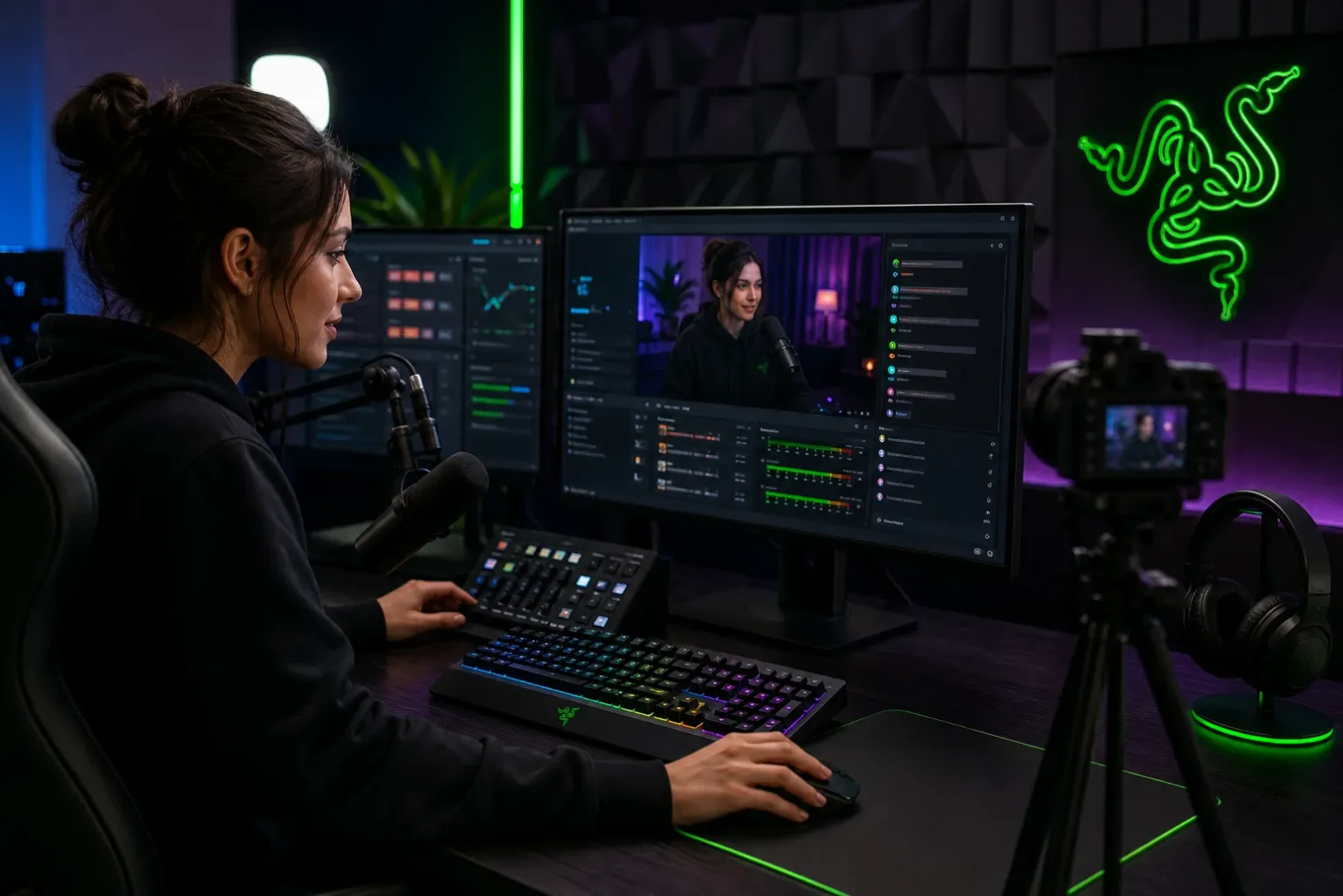
An asset deal aimed at the creator workflow
Razer has acquired assets from StreamElements, the livestreaming platform known for its overlays, alerts, chatbot, tipping features and creator sponsorship services. Financial terms were not disclosed. The transaction is framed as an expansion of Razer’s content-creator ecosystem rather than a conventional purchase of every part of StreamElements’ corporate operation.
That distinction matters. Asset acquisitions can allow a buyer to take control of technology, intellectual property, customer-facing products or selected business operations without necessarily assuming all of the seller’s liabilities and organisational structure. For creators, however, the practical issue is simpler: whether the tools embedded in their broadcasts remain available, reliable and familiar.
StreamElements has told users that its core tools, including overlays, alerts and chatbot functions, will remain free. It has also said existing accounts, channels, settings and communities will continue, while tipping payouts are intended to proceed without interruption. Razer has indicated that StreamElements will continue to operate independently under its ownership.
Why StreamElements is strategically useful
The acquisition gives Razer a direct connection to the software layer of livestreaming. Razer is best known for gaming peripherals, laptops and related software and services. StreamElements operates at a different but closely related point in the creator workflow: the tools a streamer uses to produce a broadcast, moderate chat, recognise supporters and turn an audience into revenue.
Its live tools are designed around the practical infrastructure of streaming. Overlays display alerts, goals, chat and other visual elements within broadcast software. Its chatbot provides moderation and engagement functions, while its tips and sponsorship products address creator monetisation. The platform also offers integrations and developer tools that allow creators to customise widgets and automate parts of their live setup.
For Razer, this creates an opportunity to connect hardware purchases with ongoing software use. A creator may buy a microphone, webcam, controller, keyboard or lighting product once, but use a streaming platform throughout every broadcast. That recurring relationship can make a creator platform strategically valuable even if its basic features remain free.
It also gives Razer access to a business that reaches beyond livestream production. StreamElements markets a creator sponsorship network to advertisers, presenting audience, conversion and campaign-performance data as part of its service. If retained and developed carefully, that capability could help Razer participate in creator monetisation and brand partnerships rather than only supplying equipment to the people who make content.
Continuity is the immediate test
The central challenge will be trust. Streaming setups are often assembled over years, with custom browser sources, alert configurations, moderation rules and community-specific commands. A change to an overlay service can affect not only visual presentation but the day-to-day operation of a channel.
Razer’s initial commitments therefore focus on continuity: no immediate removal of familiar free tools, no forced migration of existing setups and continued operation of StreamElements as a separate service. Those assurances are important because creators are likely to judge the deal through visible product decisions, not corporate language.
The company will need to demonstrate that account access, data handling, payment processes, integrations and support remain dependable. It will also need to explain any future changes to privacy terms or platform policies in clear terms. The acquisition places Razer closer to creator data and monetisation flows, making transparency especially important.
There is potential upside for users if Razer invests in product reliability, support, integrations and new creator opportunities. Closer links between streaming software and Razer’s existing hardware could simplify setup or enable new controls and features. Yet hardware integration should remain optional if the service is to preserve its value for creators who use equipment from many brands.
A broader shift from devices to services
The deal reflects a wider commercial logic in gaming: the value of an ecosystem increasingly lies in the services surrounding the device. Hardware remains Razer’s core identity, but creator software can provide a more persistent relationship with users and a route into sponsorship, commerce and community engagement.
For StreamElements, Razer’s resources may offer greater stability and a clearer long-term owner. For Razer, the acquisition provides an established foothold in a competitive part of the creator economy without having to build a comparable livestreaming platform from scratch.
The eventual significance of the transaction will depend on execution. If StreamElements retains its independence, preserves its core free offering and improves the tools creators already rely on, Razer could strengthen its position as a creator-focused gaming brand. If changes disrupt workflows, restrict flexibility or make monetisation less transparent, creators have many alternatives and can move quickly.
For now, the acquisition is best understood as an effort to turn Razer’s relationship with creators from a primarily hardware transaction into a broader, ongoing platform relationship.
Sources
- Razer Acquires StreamElements Assets to Expand Content Creator Ecosystem — TechPowerUp
- About StreamElements — StreamElements
- StreamElements Documentation — StreamElements
- Creator Led Performance Marketing — StreamElements


